Course Overview
Status
Applications for 2027 entry will open in October 2026.
Location
Somerset House, Strand, London WC2R 1LA & Vernon Square Kings Cross, London WC1X 9EP
Duration
3 years, full-time
Awarding body
University of London
Intake
Six students per year
Do you want to make a difference in the care of cultural heritage, and preserve it for the future? Would you enjoy a career that combines your strong practical and manual skills with a deep intellectual understanding of paintings both in terms of art history and material science?
The MA in the Conservation of Easel Paintings is a three-year full-time programme which will prepare you for a professional career. Its interdisciplinary nature combines art history, fine arts and the natural sciences. Applicants usually have a BA or equivalent degree in any of these subjects. The term “easel paintings” refers to paintings created on movable supports such as canvas, panel or board.
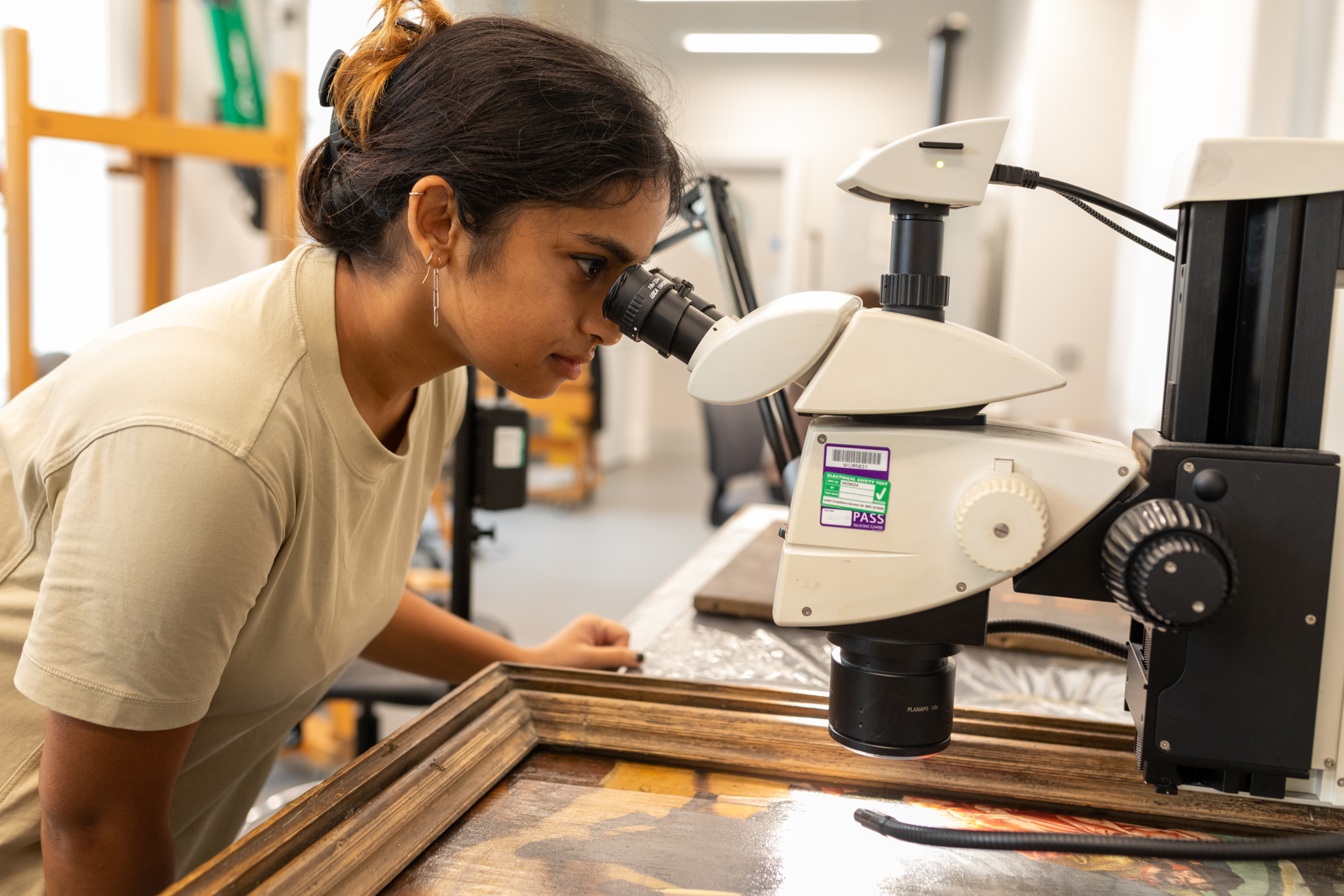
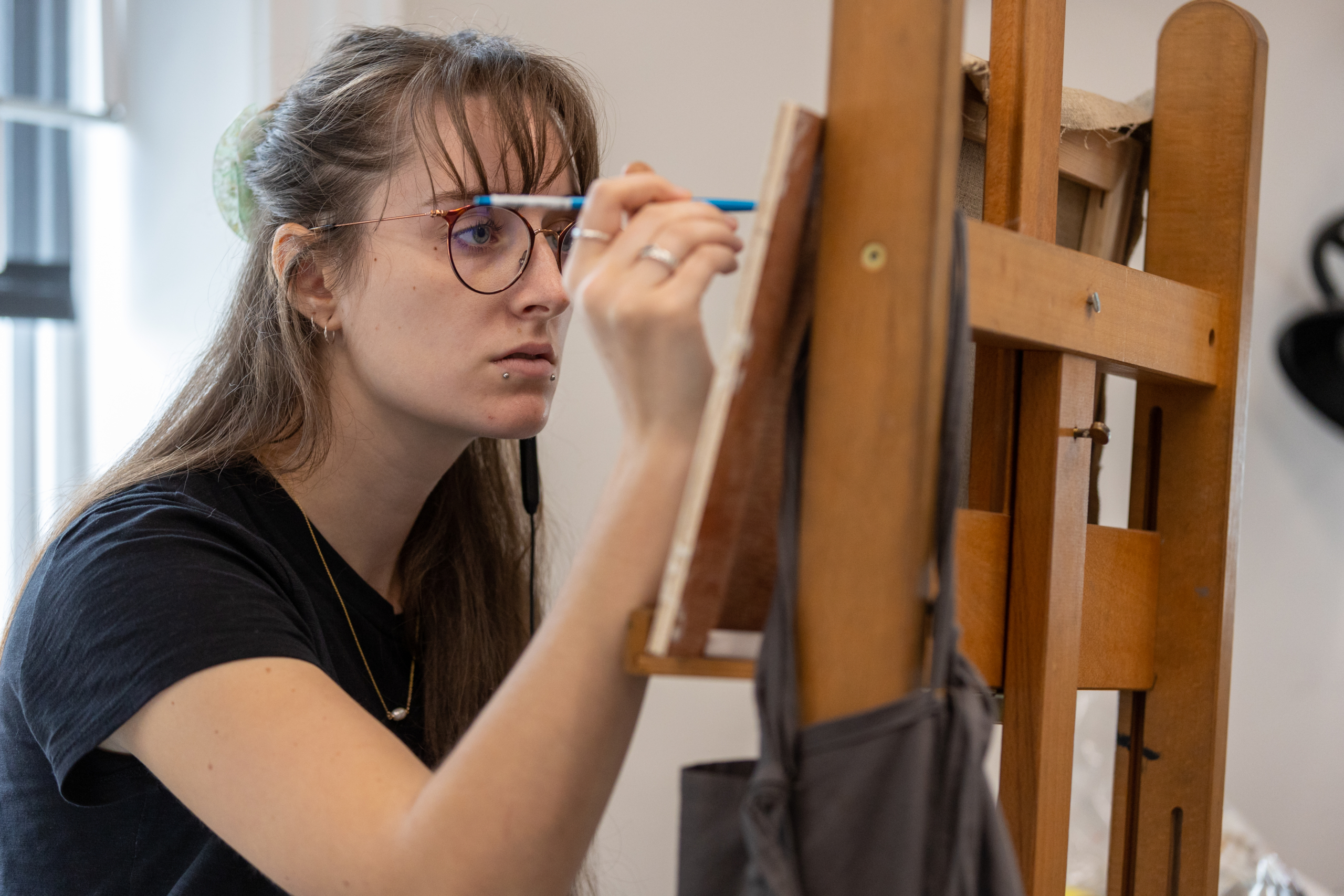
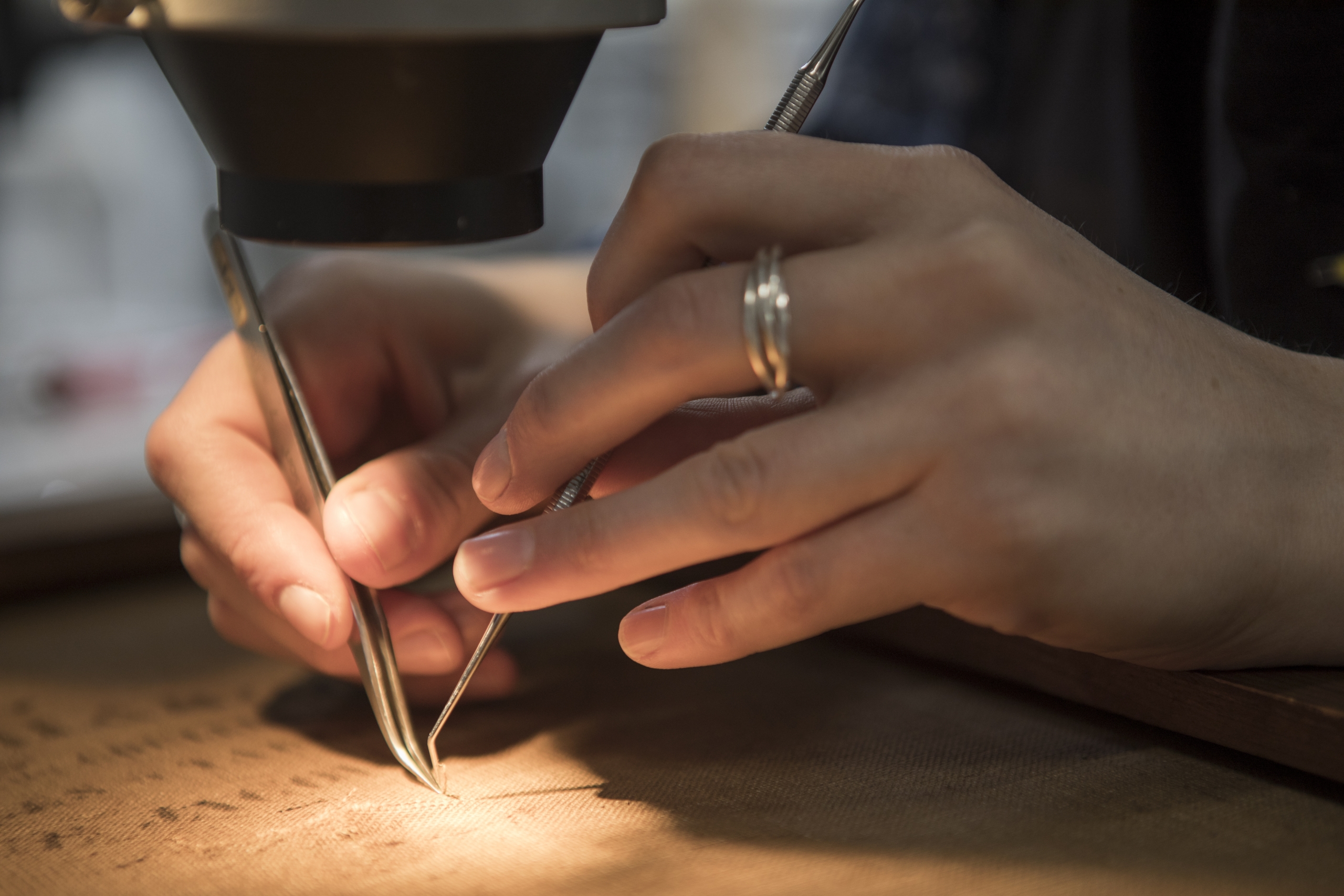
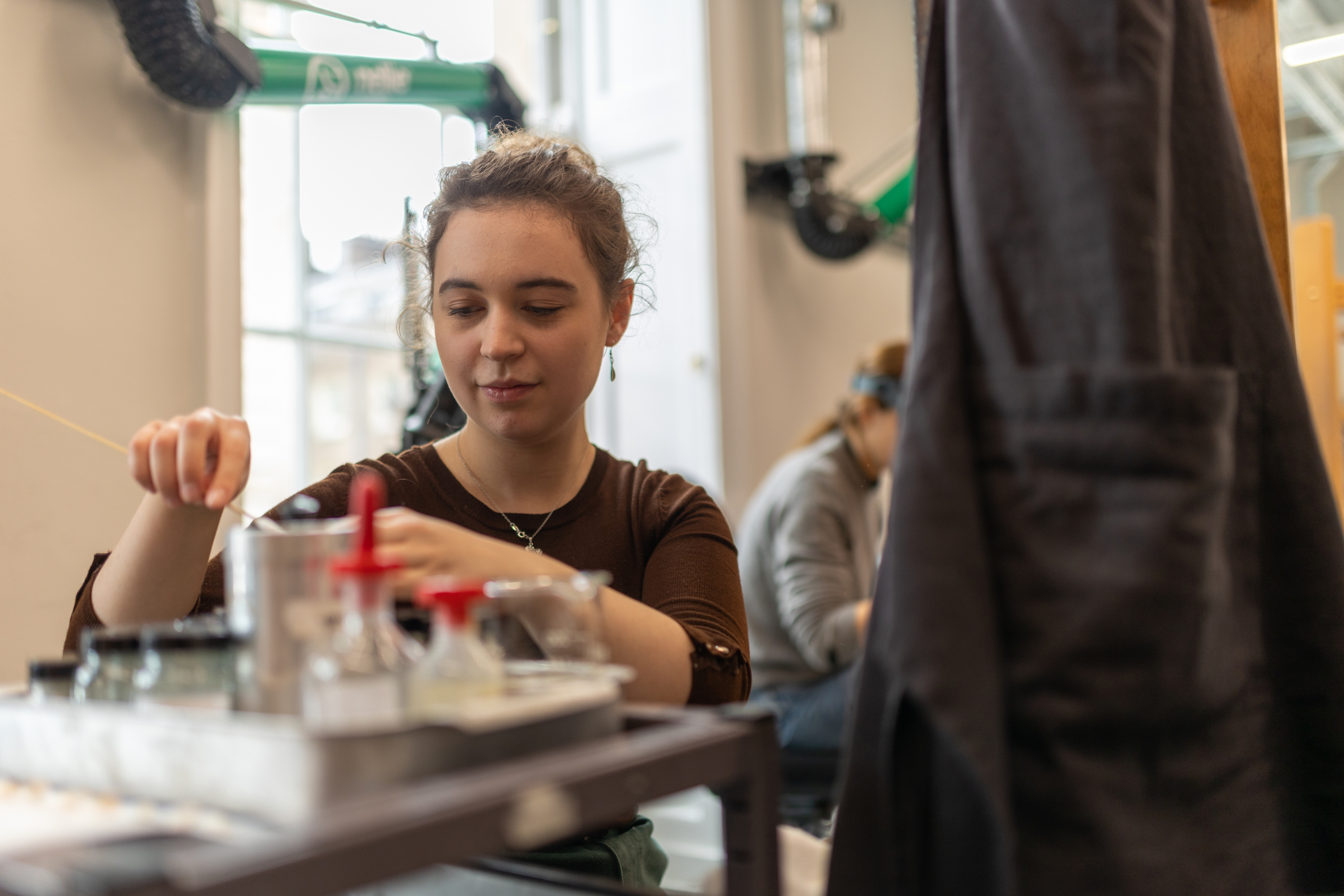
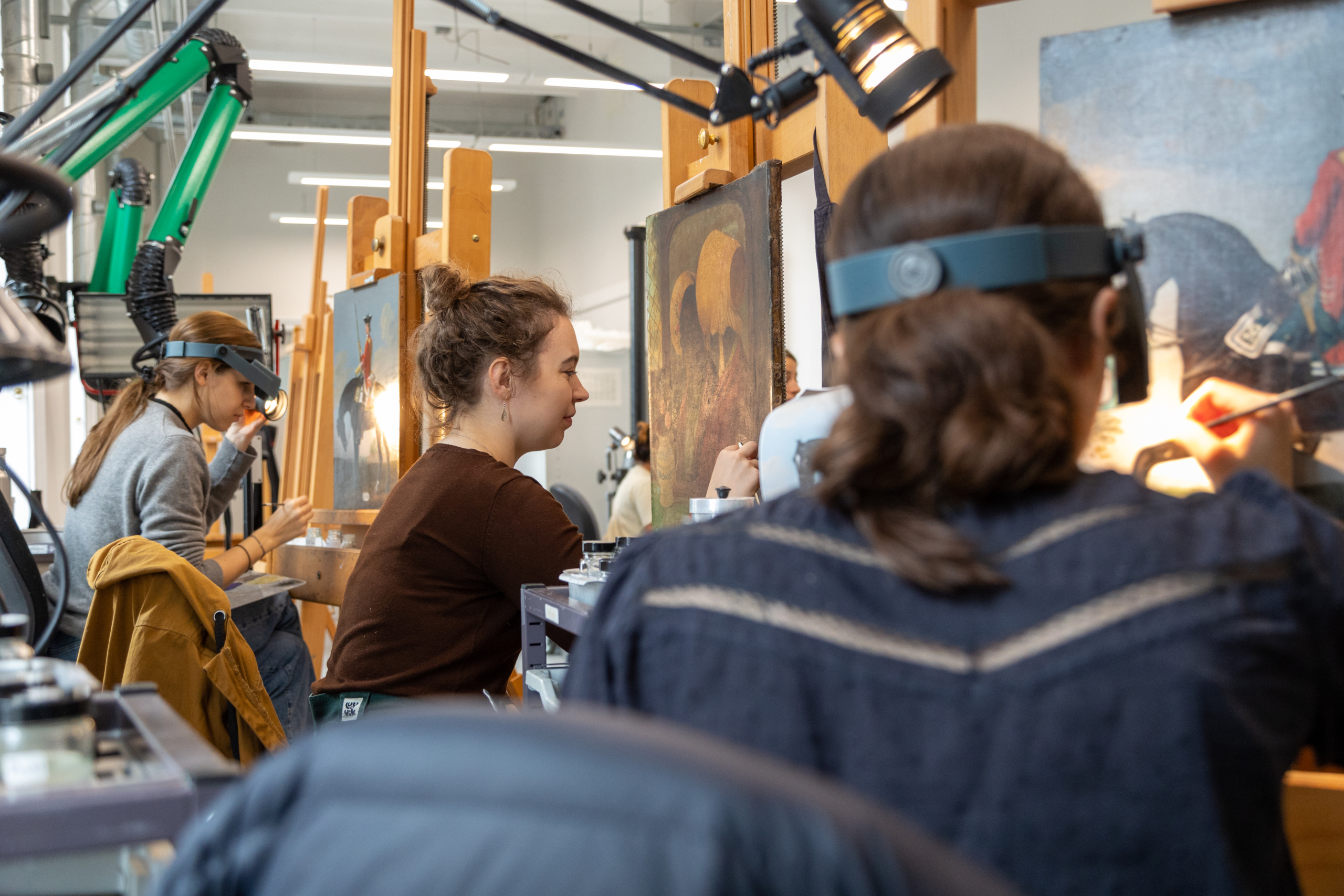
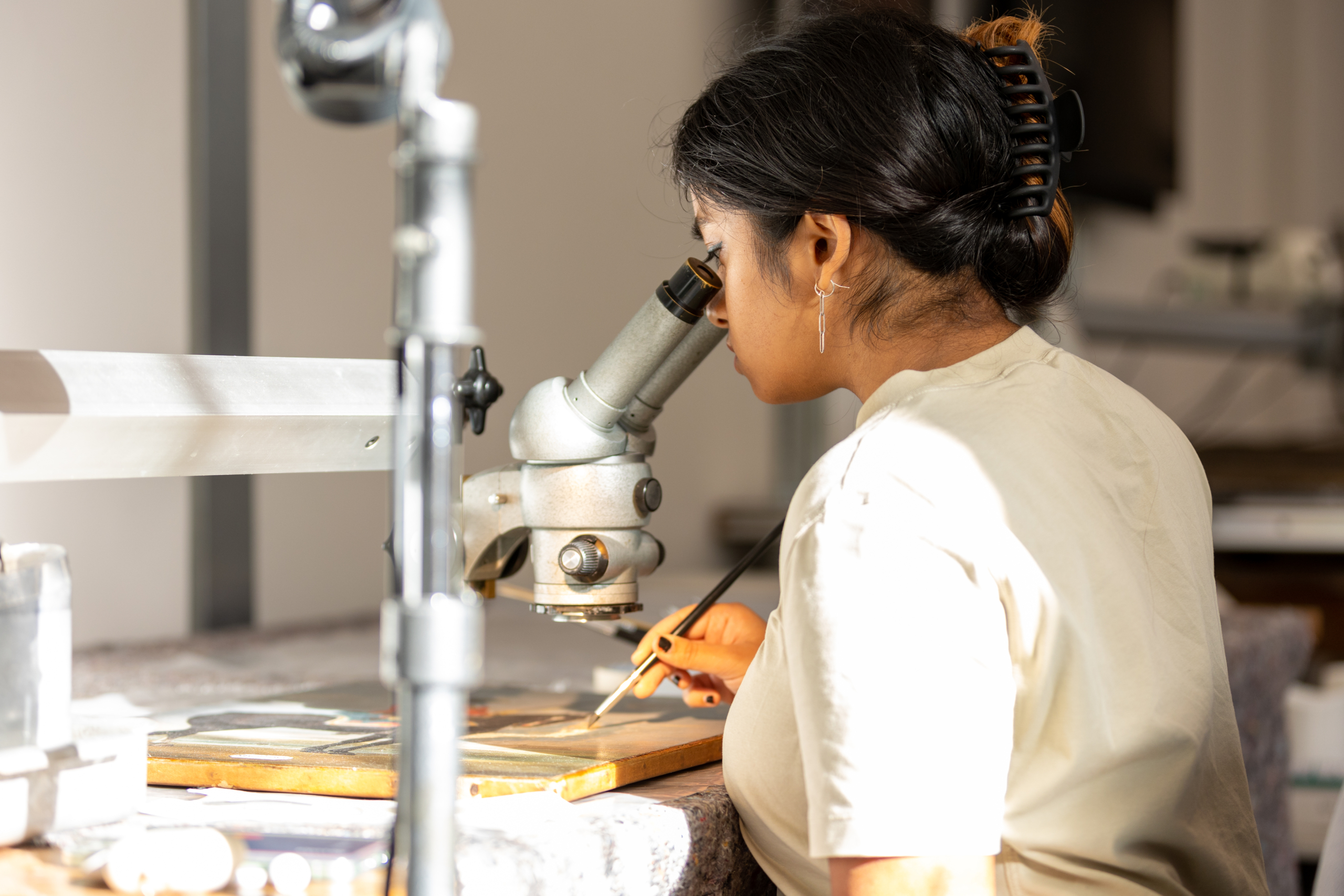
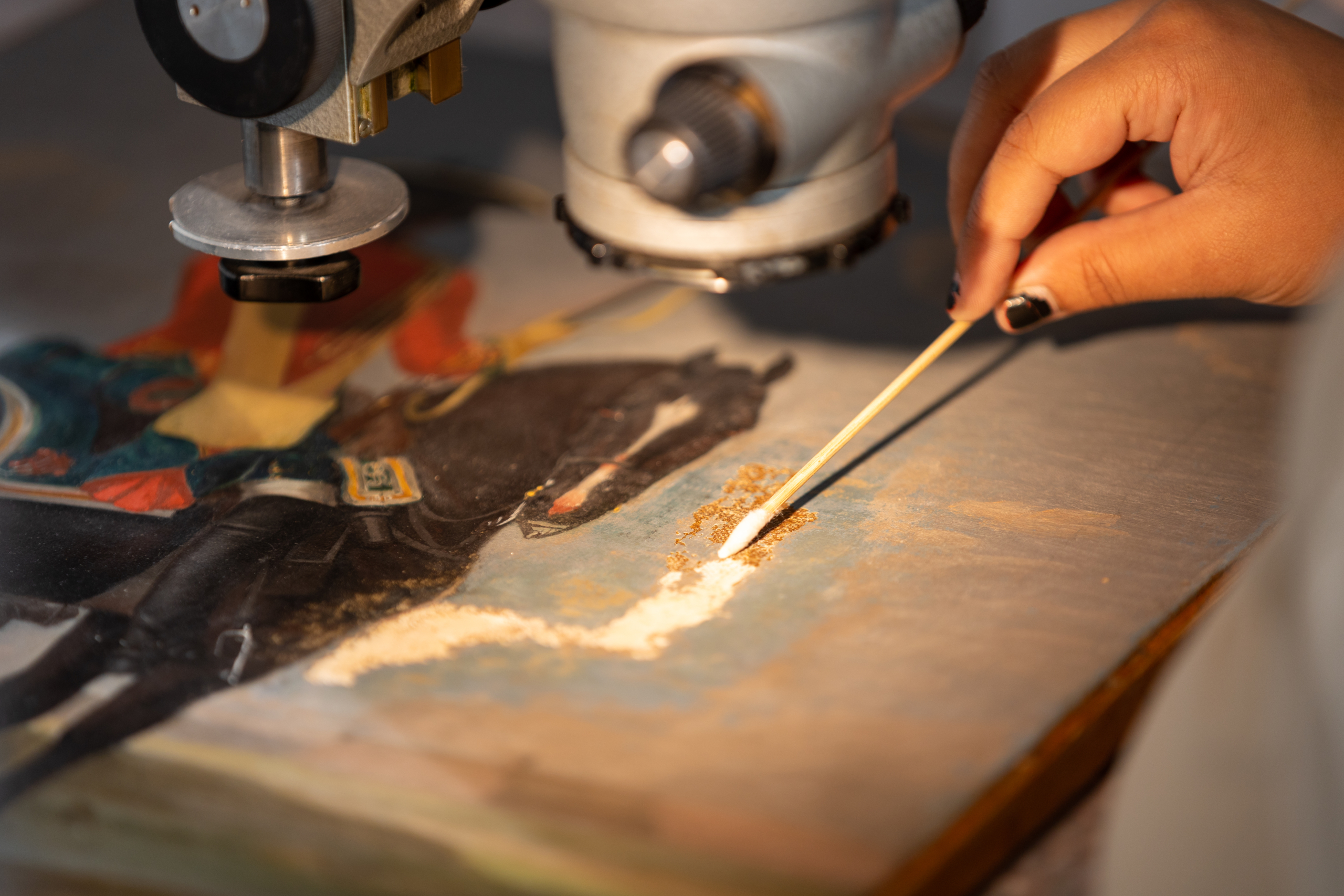
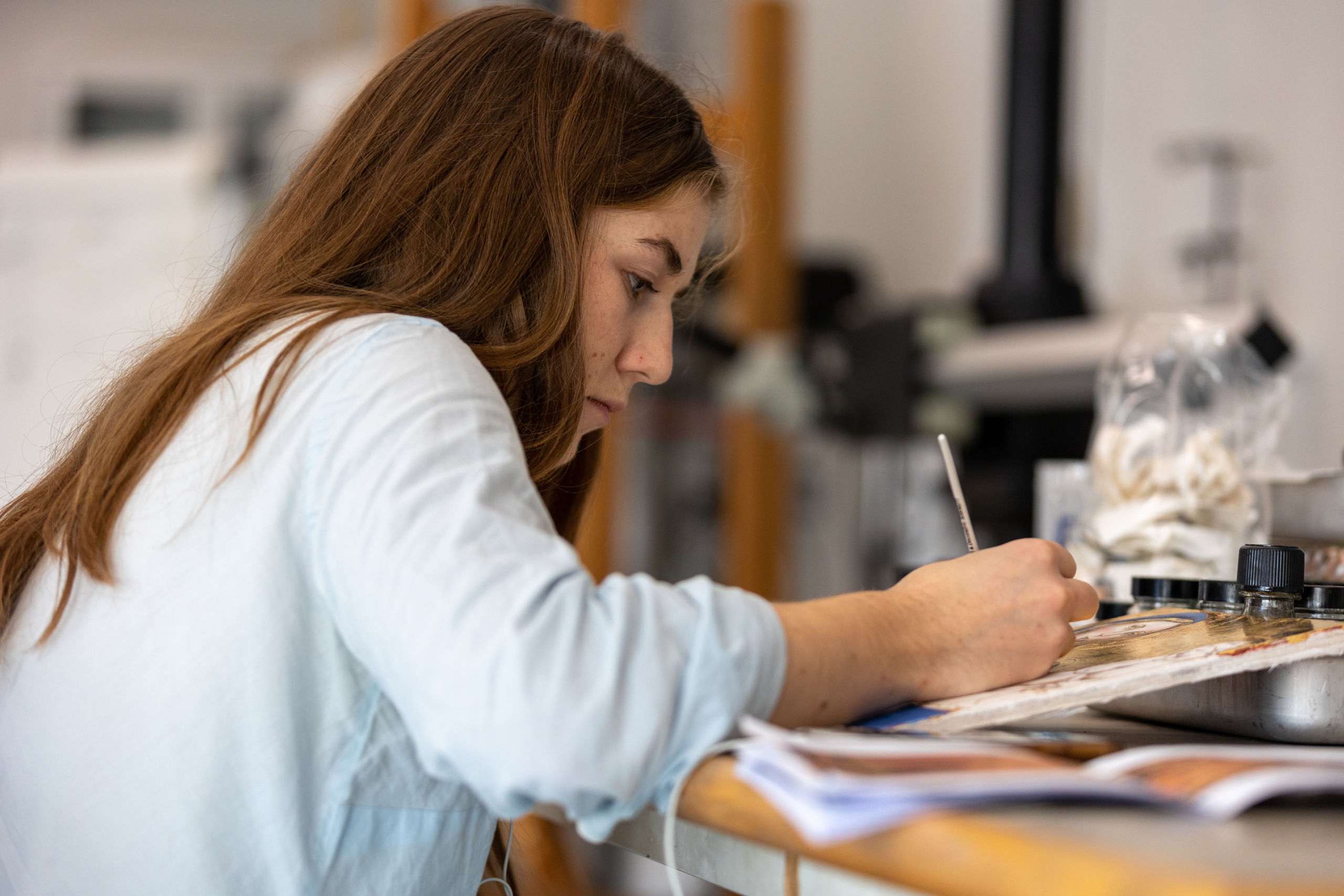
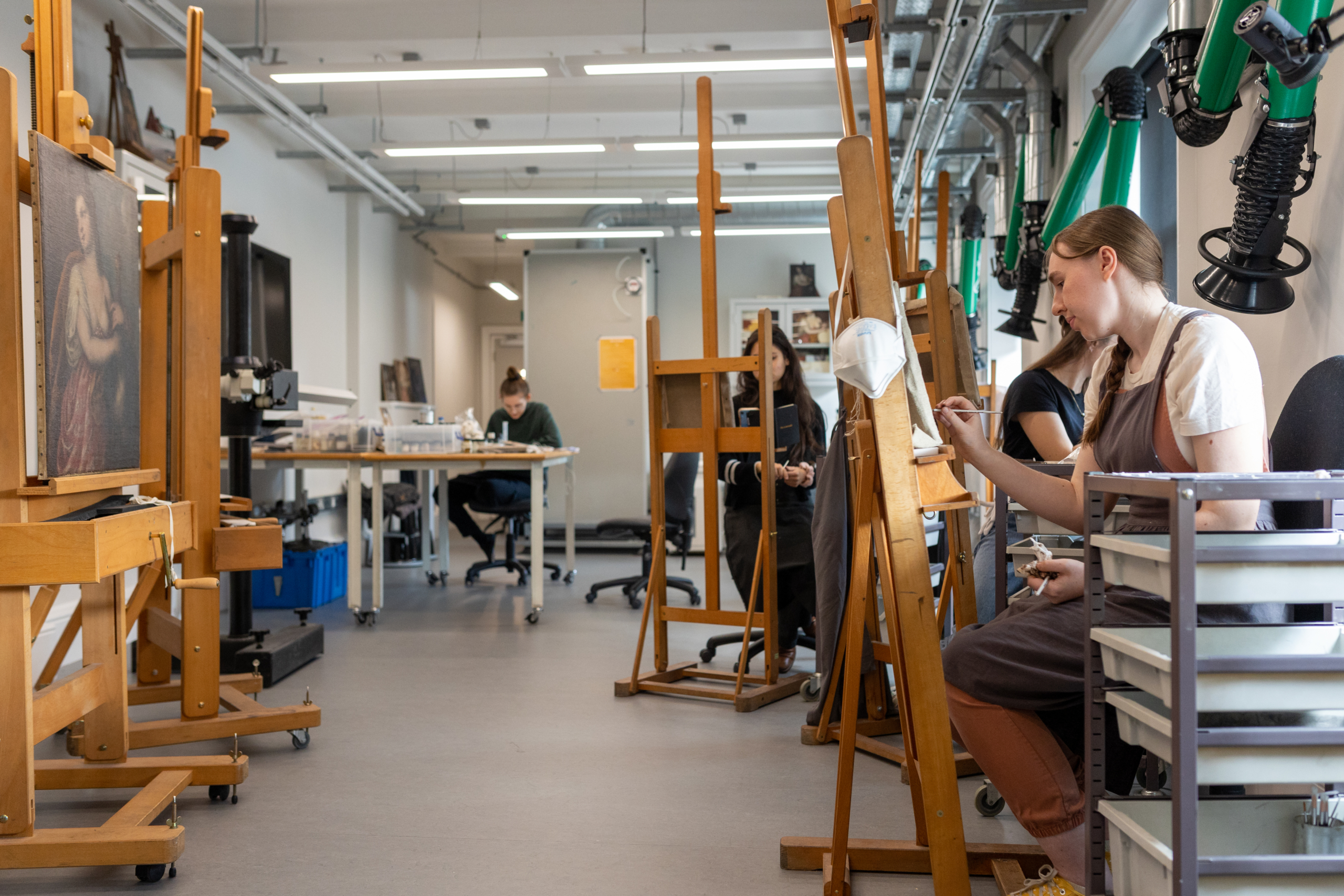
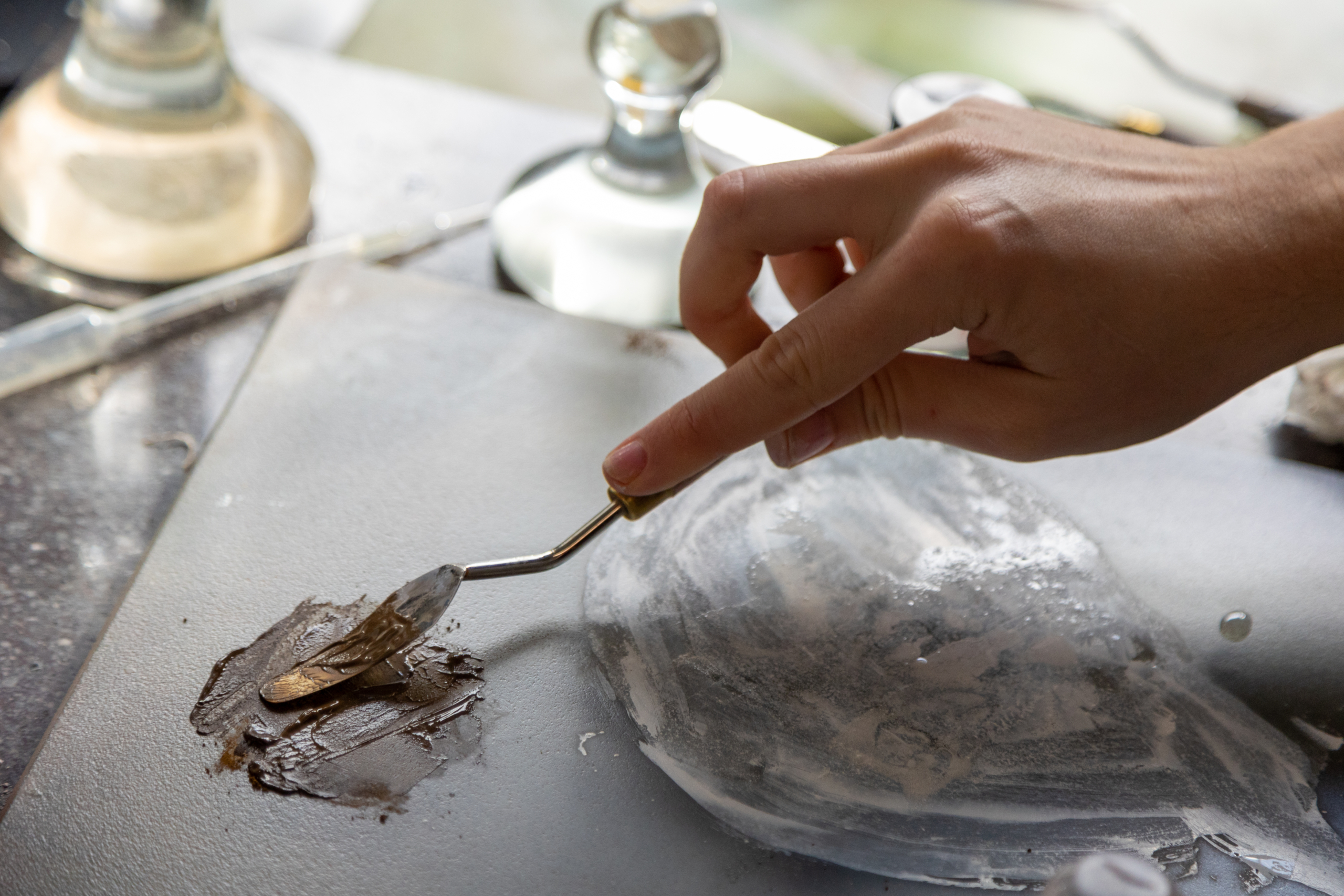
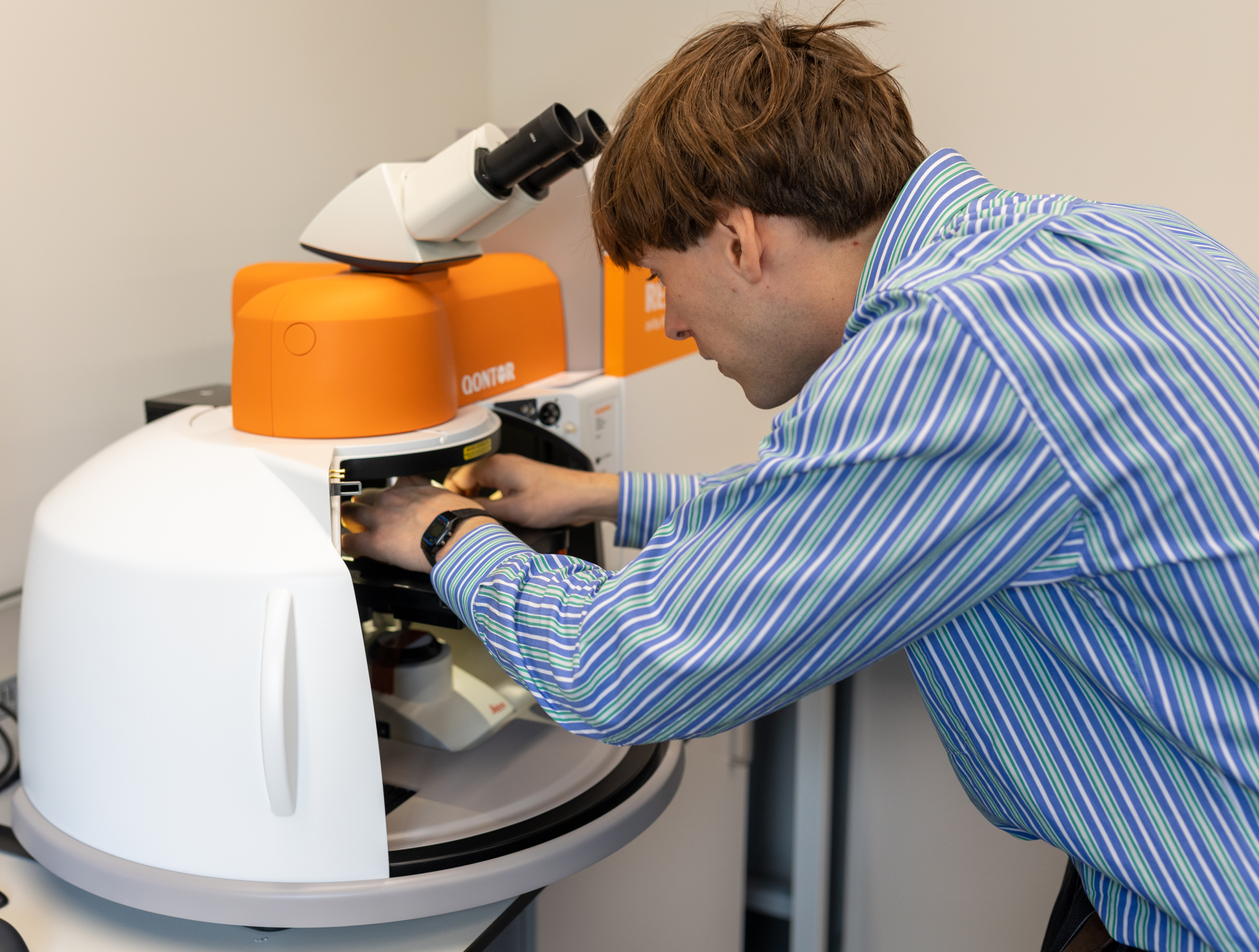
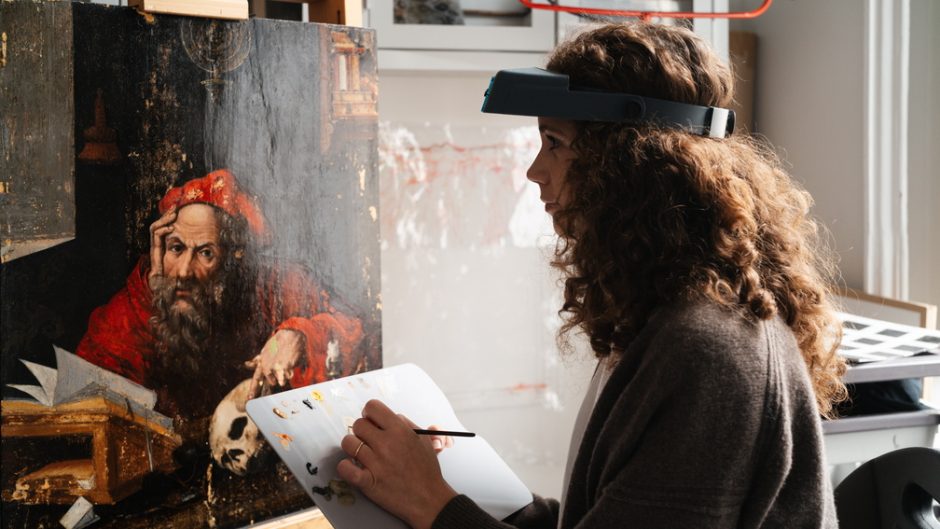
Conservation of Easel paintings at the Courtauld Institute offers a rigorous theoretical training alongside studio-based conservation practice where theory, research, decision-making and practical skills come together. From the very first weeks of study, students are immersed in practical work in our Somerset House studios and labs, at first by the creation of replica paintings, and quickly moving to the closely supervised treatment of paintings from public and private collections in the UK. With access to cutting edge scientific equipment, students learn to carry out imaging and analysis that helps them to understand the materials and making of paintings. Over three years, students build a portfolio of treatment and research that allows them to apply for diverse careers in museums, research institutes and private sector conservation studios and labs, or to continue studying at PhD level. This course attracts an international student body, with a yearly intake limited to six students. which makes the teacher student ratio exceptionally high. In-person learning makes up between 4 and 4.5 days per week in both semester 1 and 2.
The degree is taught by specialists in paintings conservation, technical art history and conservation science, with many years of collective experience of working in the conservation field. This sector knowledge informs the teaching, which is tailored to the evolving needs of the profession, with the aim of producing highly employable graduates. The programme excels in developing conservators with research and critical skills that allow them to embark on and flourish in a wide range of challenging careers.
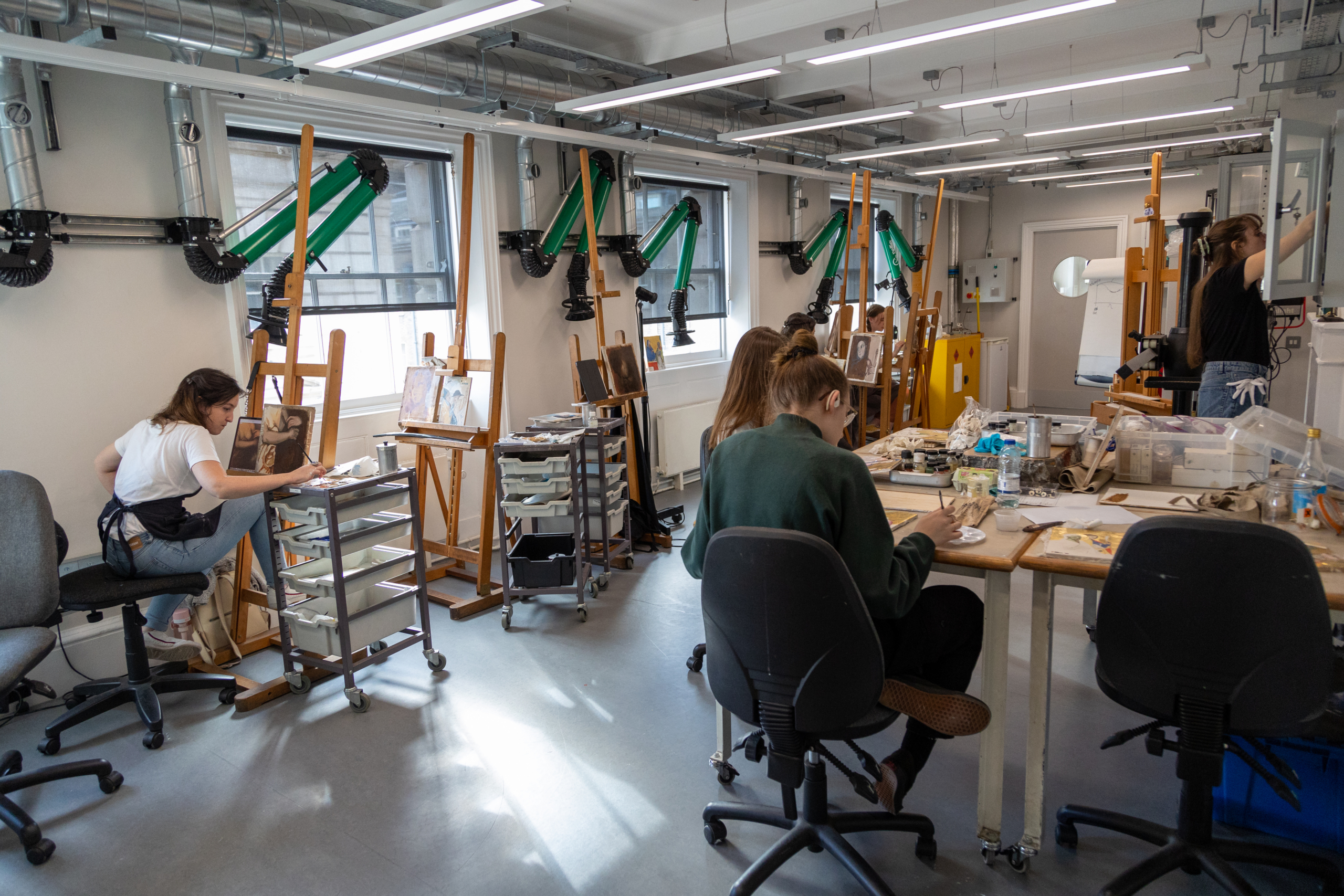
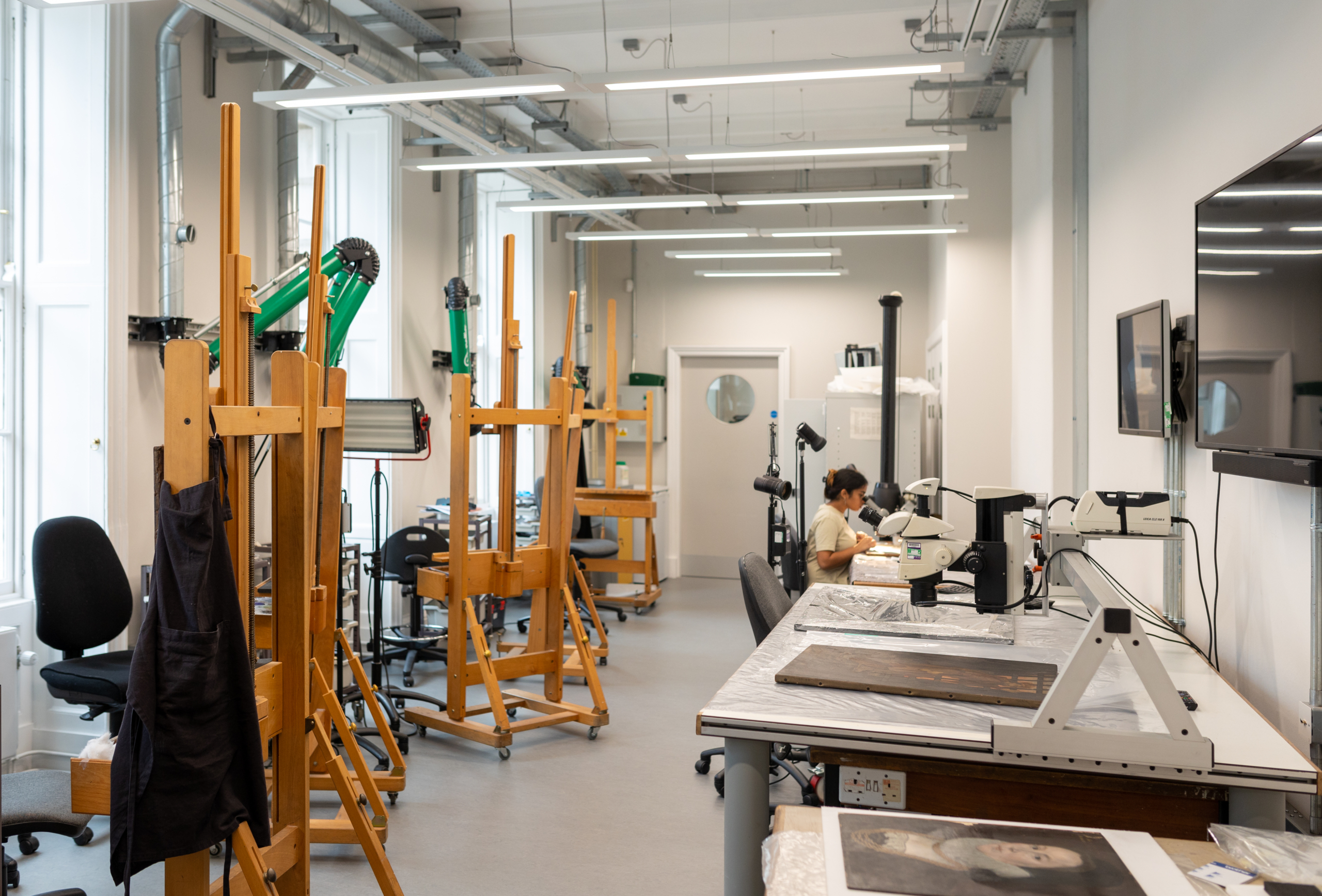
Theoretical classes are delivered in small group seminars, and each year group is based in their own studio for practical work, sharing additional facilities for photographic imaging, scientific analysis, and specialist structural treatments.
The strong practical and intellectual focus of the degree is reflected in courses designed to build on knowledge and to develop both practical and decision-making skills underpinned by ethical and scientific principles.
Conservation at the Courtauld Institute
Teaching and programme structure
The programme is delivered through lectures, seminars and self-directed study, integrated with a significant proportion of problem-based learning through supervised studio-based activities including conservation treatments and technical study of easel paintings.
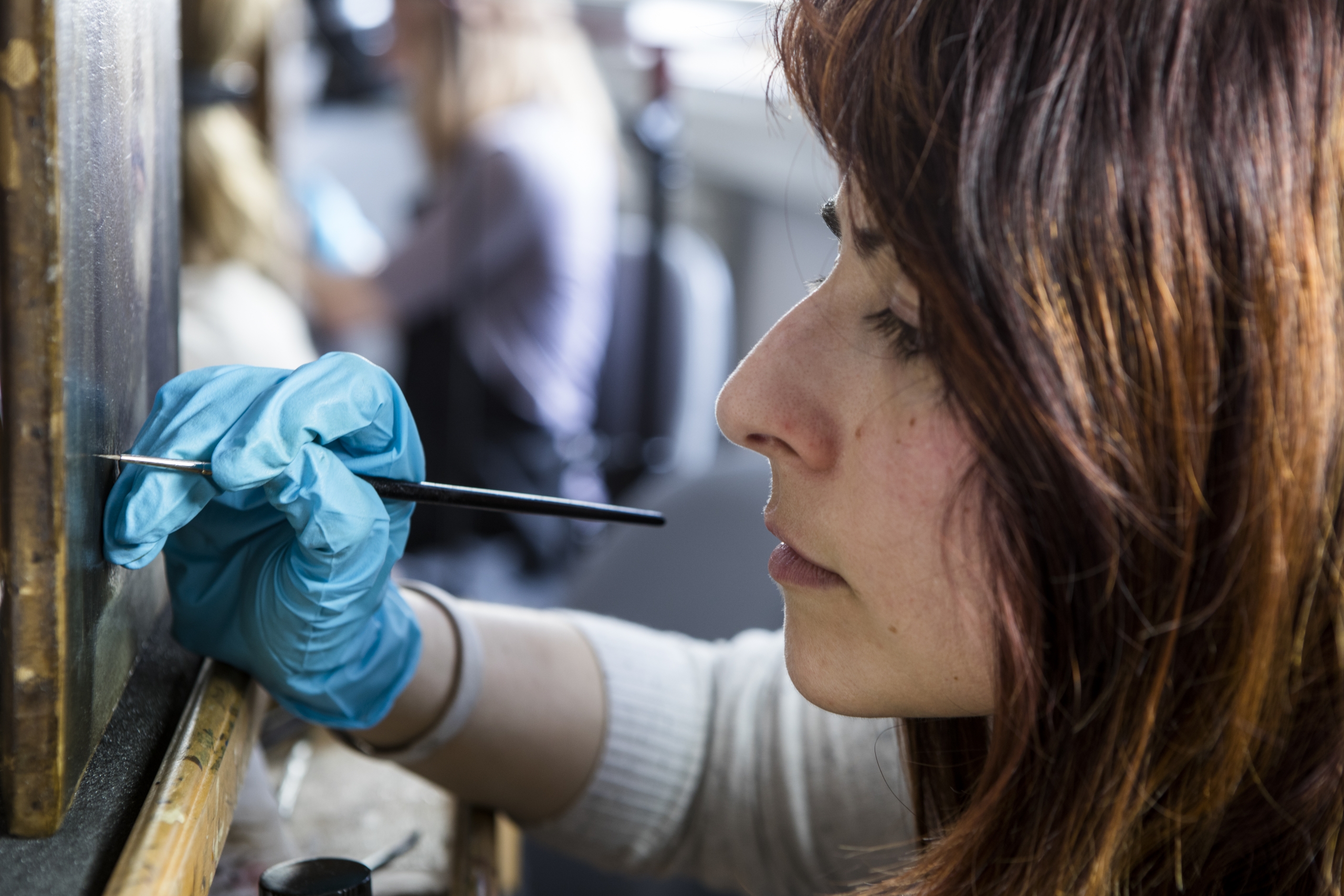
The teaching methods, modes of delivery and assessments vary according to the objectives of each module within the programme. There are a combination of lectures, seminars and workshops all undertaken in small classes of students. In Studio Practice modules you will be supervised in your year group to undertake individual conservation treatments and research of paintings from a variety of private and public collections with increasing autonomy. In addition, you have timetabled meetings with the tutors several times per term, both to discuss progress and general issues as well as to receive feedback on assessed work.
Throughout your degree, you will be taught by both the teaching staff of the department and professionals in the field, who bring a rich diversity of knowledge and experience to the classroom. The Courtauld conservation faculty come from different backgrounds and are among the leading experts in their field. They have published important works about their areas of expertise and will engage you with their cutting-edge research. You will also have the opportunity to engage with owners of paintings and curators for the paintings you are treating.
Further professional context is provided by a series of visits to conservation studios and science departments at the end of the second year, as well as an annual study trip in semester two Reading Week, attended by second and third year students with tutors.
Structure
Year One focuses on the acquisition of foundation knowledge and the development and application of scientific methods.
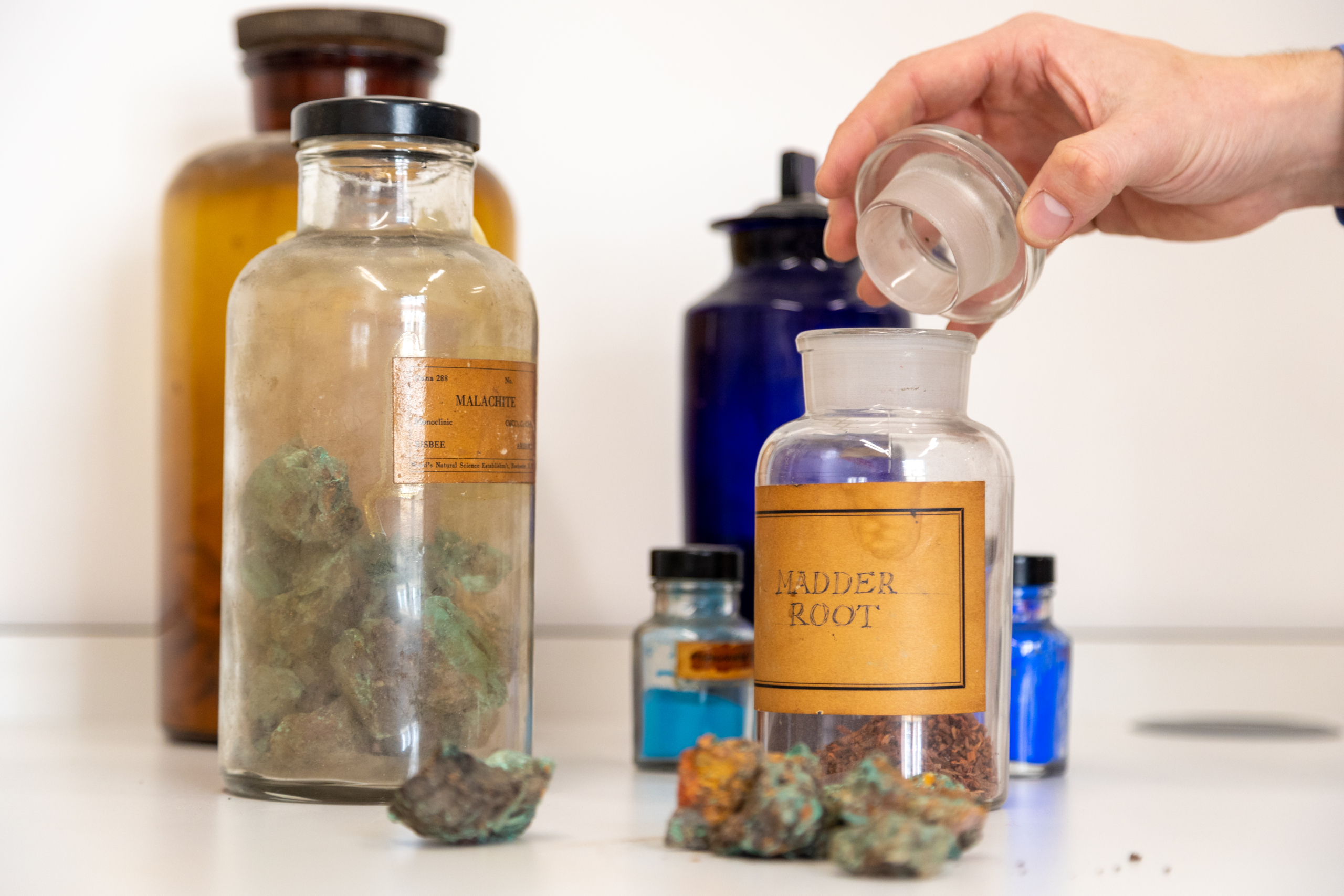
There are five modules in the first year: Studio practice; History of Painting Materials and techniques; Introduction to Technical Study and Material Science; Principles and Theory of Conservation; Foundations in Art History. Practical work in the studio forms a substantial part of each semester (2.5 days per week), beginning with replica-making and the examination of easel paintings (part of the History of Materials and Techniques module), and then introducing the application of principles and theory of conservation to practical conservation through the Studio Practice module.
Applied science is integrated throughout theoretical and practical modules. The teaching provides a foundation for understanding and identifying the condition and conservation requirements of easel paintings, and for the development of decision-making and practical skills.
Assessment and formative feedback is spread across the year via a range of methods such as: tutorials; continuous assessment of studio work; essays; reflective writing; presentations in groups and individually; and a written report produced in groups.
Year Two has three modules. It is largely devoted to practical work in the studio (Studio Practice 2 is 3.5 days per week), with students becoming increasingly independent in carrying out conservation work. In Semester One there is also a module devoted to preventive conservation and collections care with a group project and monitoring exercise of an historic property. In Semester Two the Principles and Theory 2 module focuses on research skills and methodologies in conservation, with advanced principles and theory of conservation in a specialist topic. This leads to the development of a Dissertation research proposal in preparation for Year Three. Self directed preparatory reading for the Dissertation is undertaken in the summer between Second and Third year.
Assessment and formative feedback is spread across the year via a range of methods including tutorials, continuous assessment of studio work, presentations in groups and individually, research proposal, and reports produced in groups and individually.
Year Three has three modules. It features an independent research project resulting in a 10,000 Dissertation. The research phase takes place over the first 9 weeks of Semester One, with final submissions at the beginning of Semester Two. For the remainder of the academic year, Studio Practice 3 takes up the majority of the time (3.5 days per week). Students continue to undertake practical conservation treatments and associated research with increasing autonomy and confidence. In Semester Two the Principles and Theory 3 module focuses on skills for publication and dissemination of research, with advanced principles and theory of conservation in a specialist topic. This leads to the presentation of Dissertation research findings in a variety of formats.
Assessments and formative feedback is spread across the year via a range of methods including tutorials, continuous assessment of studio work, individual presentations, Dissertation and research summaries, and reports produced individually.
Assessment
The formal assessment of MA Conservation of Easel Paintings is based on the following components:
- Written essays – 3 x 2000-word in the first year
- Short pieces of written work – reflective writing (first year), research proposal (second year), research summary (third year)
- Written reports (4,000-5,000 words) – Technical report (first year, group work), Environmental Survey (second year, group work), Conservation Documentation Reports (second and third year, individual)
- Work in Progress Presentations on Studio Practice in all three years
- Continuous assessment of Studio Practice in all three years
- Dissertation 10,000 words submitted January of third year
- Viva voce examination at the end of the third year
These summative assessments are supported by formative feedback and tutorials on draft assignments, formative discussions in the studios and feedback on formative presentations throughout all three years.
The range of assessment methods requires students to demonstrate skills through the production of verbal and practical responses to the questions or problems set.
At the Courtauld Institute practical work on paintings in conservation studios accounts for the majority of the degree, which is reflected in both the credit structure and assessments. Each term you will give a presentation of studio work at ‘Work in Progress’ meetings. You will also complete written and photographic documentation for each painting you conserve, and sit a viva voce examination at the end of the programme.
You will have to pass all modules in order to progress through the programme.
Programme outcomes
Upon completion of the MA Conservation of Easel Paintings, you will have:
- A sophisticated set of practical and intellectual skills for the conservation of easel paintings, learnt from a wide range of leading conservation professionals
- Competency in critical thinking, the analysis of objects, images, and texts, debating ideas, and concise and persuasive writing
- The ability to identify and evaluate the chemical, mechanical and physical properties of easel paintings and materials for conservation to inform decision making in conservation practice
- The skills and knowledge to integrate visual evidence, your own technical study, art historical research and physical history, to establish the wider context and values embodied by a painting, present a holistic description of condition and inform conservation practice
- The skills to independently plan and implement a wide variety of practical tasks as part of conservation treatments, and evaluate treatment success and personal competency
- A broad-ranging view and understanding of the careers available in the cultural heritage sector
- An extensive professional network.
Careers and employability
The MA Conservation of Easel Paintings programme is designed to produce graduates who are prepared for a professional career in the conservation of easel paintings. It will also equip you with highly transferable skills, which will prepare you for a wide range of employment opportunities or further academic study. As well as a detailed knowledge and understanding of the conservation of easel paintings, our graduates have:
- The ability to communicate effectively orally and in writing.
- Intellectual independence and maturity; self-discipline and self-direction.
- Respect for the views of others.
- Project management through developing, conducting, and managing conservation and research projects independently.
- Ability to work in a team, collaborate and share resources.
With these skills, Courtauld graduates take jobs in the international art world, in private practice or museums and hold positions in institutions such as the National Gallery, the Metropolitan Museum of Art, The Getty, the National Trust, and the Royal Collection Trust.
Students from the programme will join an international network of Courtauld alumni who work across the cultural sector and benefit from the friendships, support, and mentorship available within that community.
Entry requirements
UK qualifications: Successful applicants will normally hold a Bachelor’s degree in either Fine Art, History of Art, or in the Natural Sciences, and have achieved a good 2.1.
Overseas qualifications: Equivalent to a good 2.1 in a UK first degree (e.g. US applicants should have a cumulative GPA of 3.3 or above). Country-specific qualifications can be found here.
English language requirements: If your first language is not English, we require proof of English language proficiency. If you are invited to the interview, it is recommended to submit your test results before the interview. If you are unable to do so, you will be asked to submit your test results no later than the acceptance deadline – please see the English Language Requirements page.
Applications: Please see How to Apply page for information.
We welcome applicants with other forms of academic and relevant professional experience. Please note that applicants may be invited to interview on a case-by-case basis.
Further information: In your application you will be asked about your knowledge and experience of those fields that are not your main area of study (fine art, history of art or science). Though we do not expect candidates to have deep knowledge of all three fields, a level of interest in them is essential and evidence of aptitude in them at GCSE level can be beneficial. When you apply we would also like to hear what your highest qualification in science subjects is. Equally, previous conservation experience is not required, though some understanding of the nature of paintings conservation is desirable.
Around 18 applicants are selected for interview for six available places, plus a short waiting list. Interviews are held online. In addition to the interviews, interviewees will be asked:
- To complete a practical test to assess manual dexterity and colour matching; to complete a short online slide test to assess observational skills
- To electronically submit a portfolio with a sample of 3-5 artworks they have made in order to demonstrate manual dexterity and some aptitude for artistic practice
- To complete a colour-blindness test since students must have normal colour vision.
Successful candidates who have accepted their place will be required to complete an online course in science fundamentals prior to commencement of the course.
Fees and funding
Information about tuition fees can be found here.
Financial support for your studies:
Please note students on this programme are not eligible to apply for Master’s Loan by the UK government due to its three-year duration.
Courtauld Institute Scholarships: There are a limited number of Courtauld Scholarships available for Postgraduate students. They each have different criteria for eligibility and value, with some specifically for our Conservation MA programmes. Please note that if you wish to be considered for a Courtauld Scholarship, you will need to submit your application prior to being offered a place on the programme. Find out more about loans, grants and bursaries to support you during your studies at the Courtauld Institute.
Alumni Loyalty Scheme: This scheme is open to any graduate of the Courtauld Institute admitted to a taught postgraduate programme of study. Recipients will receive a 10% loyalty discount off their tuition fee for the duration of the course.
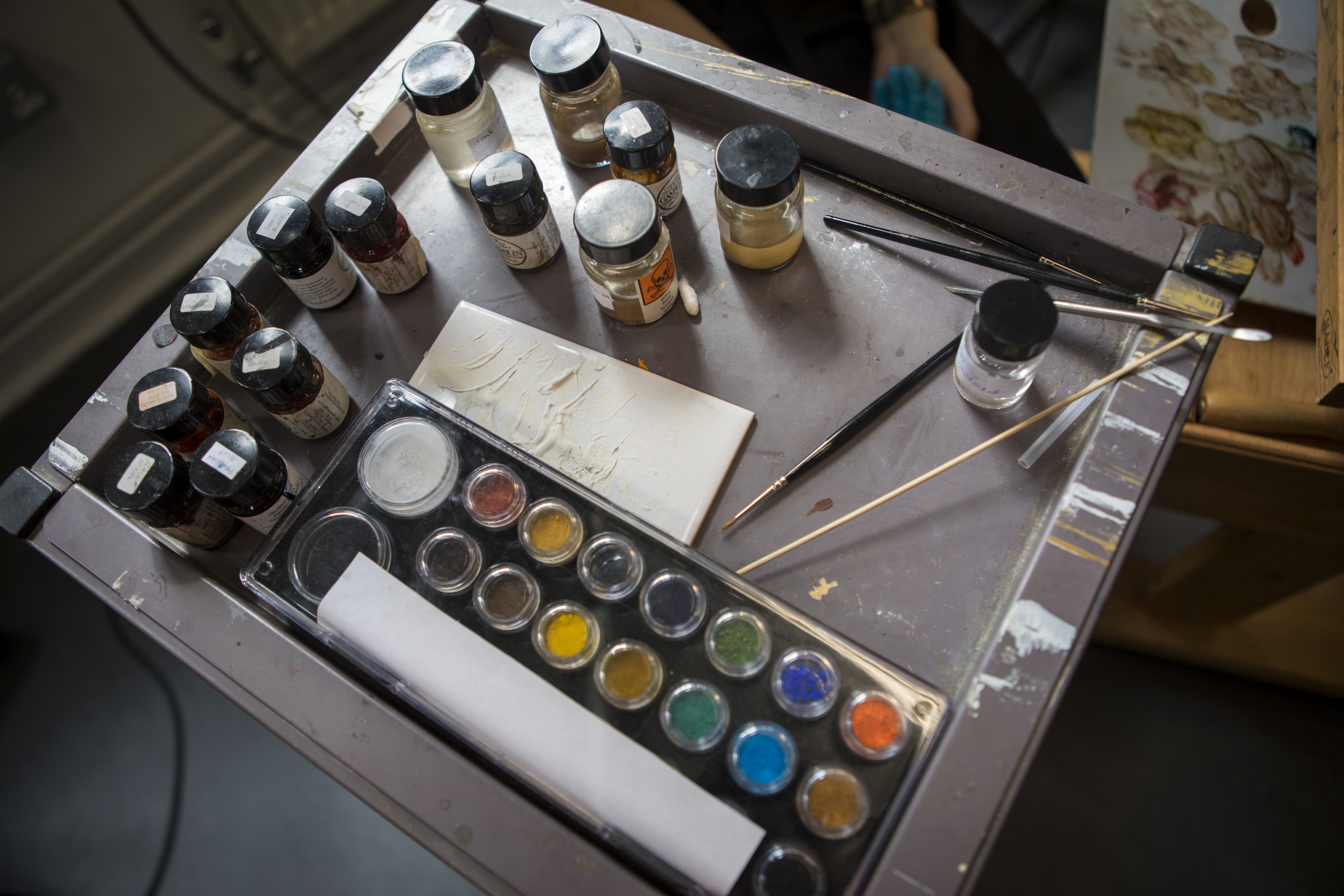
Associated programme costs: Consumable conservation materials, specialist tools and equipment are provided for students’ use in the studios. However, as well as the General Associated Programme Costs, students will need to equip themselves with a small set of tools for their personal use. In the first year this includes a small selection of brushes, a simple surgical dissection kit, small spatula, apron, and pigment box, costing around £120 in total. In the second and third years an estimated £75 per year is required to replace brushes and tools. Some students choose to build up a slightly wider range of personal tools that they then go on to use in their professional careers.
Resources
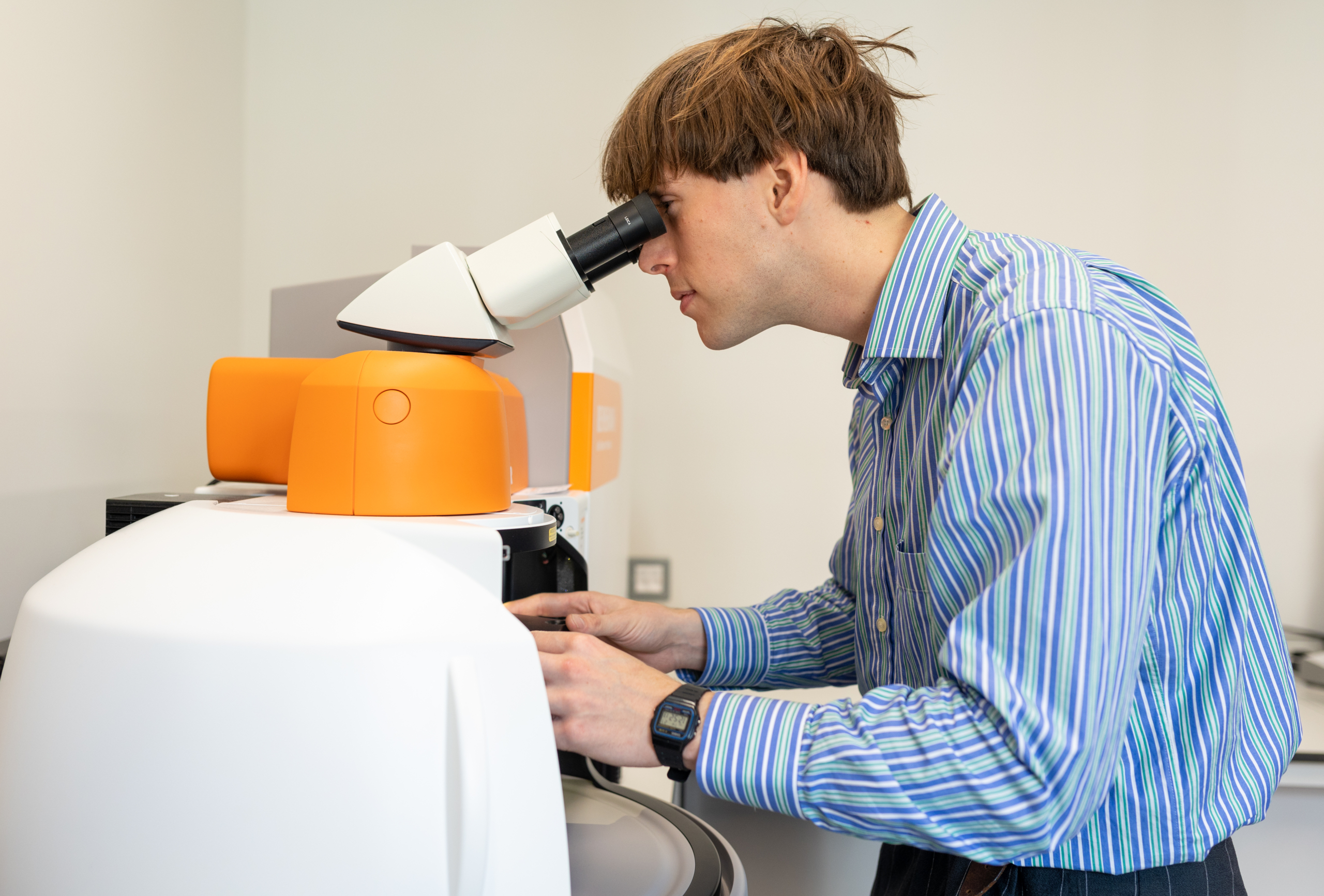
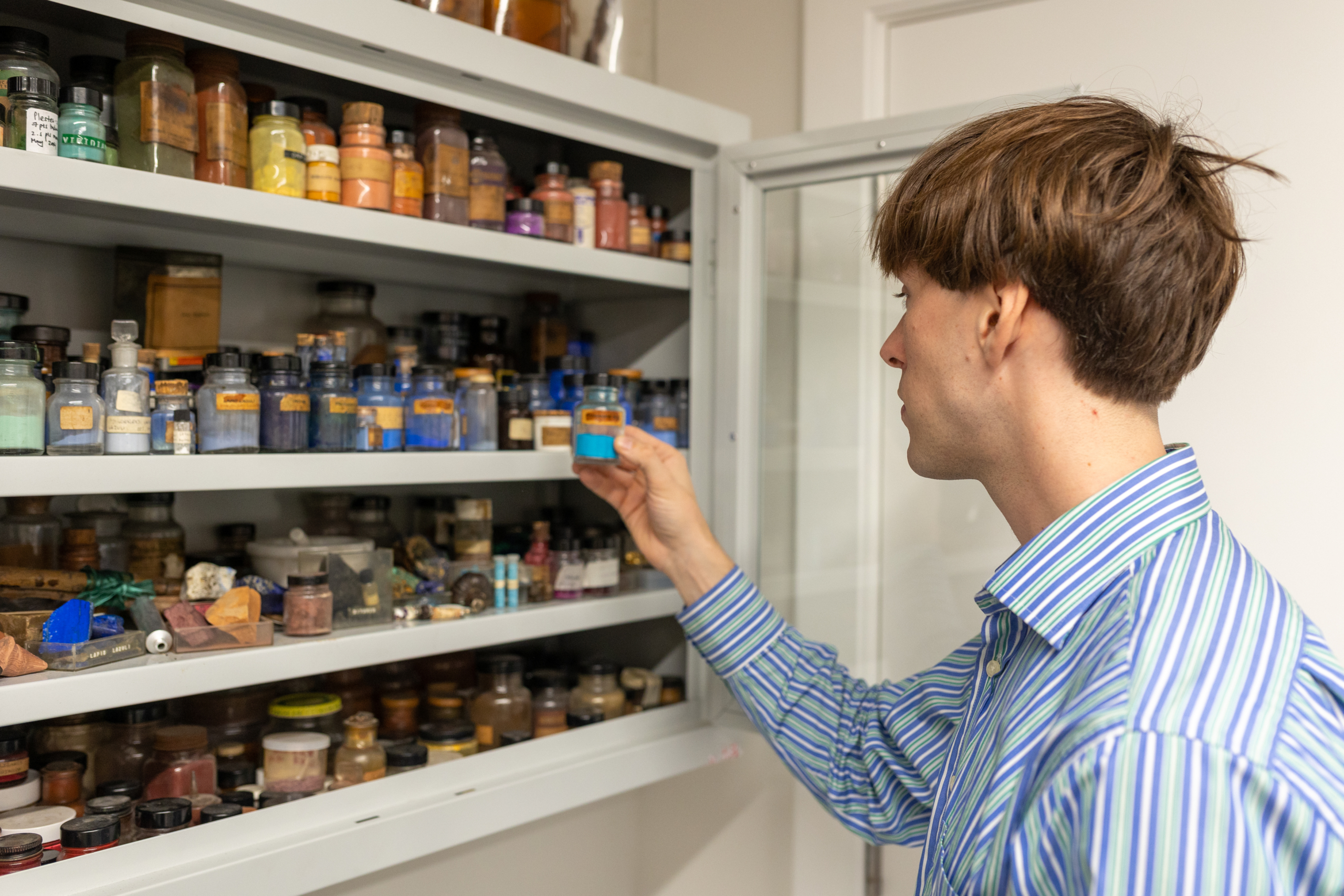
The Conservation Department is equipped with extensive scientific laboratories and state-of-the-art facilities for the analysis of paintings and wall paintings. Both portable and bench-top equipment at the Department are available for teaching and research. The department houses major collections of easel painting samples, X-radiographs, wall painting fragments and wall painting samples from around the world, the archive of the Survey of Historic Wall Paintings in the British Isles.
Students benefit from access to a wide range of research facilities at both the Courtauld Institute and other parts of the University of London, as well as other major libraries nearby. Close collaboration with scientists and conservators in the national museums and heritage organisations offers further opportunities for training and research.
The Department is also closely linked with The Robert H. N. Ho Family Foundation Centre for Buddhist Art and Conservation at the Courtauld, and the specialist collection of literature on on Asian art. Both the Conservation Department and the Ho Centre periodically hold conferences and public lectures in association with the Research Forum and museums and other institutions from outside the Courtauld, and benefit from contributions by Visiting Conservators. The department also acts as a centre for conservation and art historical advice to outside conservators, scholars and the public.
Support
To support you through the degree, we offer:
Wellbeing support: We have a dedicated Wellbeing team, with counsellors and advisors.
Academic skills training: The academic skills tutor offers group and one-to-one classes to help you to develop the skills and confidence you need to succeed on the degree. We also have two Royal Literary Fund fellows who will help you with your writing skills – concentrating on how to structure and improve your writing.
Careers advice: You can access bespoke, one-to-one career guidance throughout your studies. The Courtauld Careers Service offers advice and support on exploring career and further study options, finding internships, enhancing employability, understanding and navigating the jobs and self-employment market, and making successful applications. This service is available to all graduates for up to two years after graduation.
Accessibility
The Conservation Teaching studios are in the West Wing of Somerset House, access to which is via the access-controlled doors on the Upper Terrace. For those not in possession of an Access/ID card there is an intercom connected to our 24/7 staff security control room. There is a temporary access ramp providing access into the West Wing which may not necessarily be suitable for use by, for example, wheelchair users. Thus, for those requiring level access into the Conservation Studios this can be facilitated via our main Gallery entrance between the hours of 10:00 and 18:00. The Conservation Department teaching spaces are located across five floors, Level -1 to Level 33. The main access to each of the floors is via a staircase which is 90cm wide. There is a lift within the department which services Level -1 to Level 2 of the department. Access to Level 3 which houses the analytical laboratory, is via the staircase only.
Some of the teaching as well as the Library is at our Vernon Square premises, near King’s Cross. The Vernon Square premises are fully accessible, with two internal lifts servicing all floors. There is level access throughout the premises and thus into and out of all internal rooms. Access from the street into the premises is not level and there is small incline from street to the main entrance doors. There is ramped access into the premises. The main entrance doors into the premises operate automatically.
Watch our Open Day events
MA Conservation of Easel Painting Virtual Open Day 2025
Studying at the Courtauld Institute: an overview
Image gallery